Saturday, December 06, 2008

The Great Flamarion (Finnkino 2008 dvd)


Anthony Mann: The Great Flamarion (US 1945) starring Erich von Stroheim (The Great Flamarion), Mary Beth Hughes (Connie Wallace) and Dan Duryea (Al Wallace).

Antti Alanen
Suuri Flamarion
Helsingin Sanomat: Dvd-klassikko
The Great Flamarion. USA 1945. O: Anthony Mann. N: Erich von Stroheim, Mary Beth Hughes, Dan Duryea. Mustavalkoinen, 1,33:1, mono, 78 min. Finnkino (The Great Hollywood Classics) 5.12.2008.

Kaksi mestaria, Erich von Stroheim ja Anthony Mann, kohtasi toisensa pienen budjetin elokuvassa Suuri Flamarion. Sen tuotti Billy Wilderin veli W. Lee Wilder Republic-yhtiön levitykseen, ja se on joutunut sittemmin public domain -asemaan, minkä vuoksi sitä voi levittää jokainen, jolla on hallussaan kopio. Kopioiden laatu vaihtelee, ja tällä kertaa taso ei ole huono eikä hyvä. Stroheim oli uransa loppusuoralla ja joutui ottamaan vastaan Hollywoodissa hullujen mestarien rooleja. Aina hän toi silti liukuhihnaelokuviinkin persoonallista kosketusta ja arvokkuutta. Mann oli uransa alkusuoralla, eikä hän ollut vielä löytänyt vahvoja lajejaan (film noir, western, eepos). Niinpä käsillä oleva elokuva on melko rutiinimainen triangelidraama sirkusartistien maailmasta. Stroheim esittää mustasukkaista mestariampujaa, joka vajoaa mestaruuden huipulta rähjäiseksi maankiertäjäksi. Vicki Baumin novelliin perustuva elokuva on nöyryytyksen johtavan yksipuolisen rakkauden tarina, joka tuo mieleen elokuvaklassikot Varietee ja Sininen Enkeli. Kilpakosijaa esitti Dan Duryea, vaikuttava film noir -kasvo. Elokuvassa on joitakin visuaalisesti vaikuttavia jaksoja, kuten se, missä Stroheim harjoittelee tähtäilyä hohtaviin heilurimaaleihin. Elokuva ei tullut aikoinaan teatterilevitykseen Suomessa, mutta se on lähetetty muutaman kerran YLE:n TV2-kanavalla.

Friday, December 05, 2008

AILA MERILUOTO: LAURI VIITA, LEGENDA JO ELÄESSÄÄN (A MEMOIR)

Helsinki: WSOY 1974. Third edition, pocket book, 2008, with cover photographs from the motion picture Putoavia enkeleitä. - I'm grateful for the film for the inspiration to read this wonderful book. One of my favourite books of all times, in any language, is L. Onerva: Eino Leino (1932). Both are written by a female poet on a male poet. Neither avoids the terrible issues of madness and alcoholism. Both give insight to the inspiration of the genius. Both are labours of love.
I have been impressed by the short film Lauri Viita - rakentaja (1962), where Lauri Viita unforgettably recites his poem "Alfhild". The short film tells more about him than Putoavia enkeleitä.
Meriluoto reports that in his later years Viita recorded poems in a mannerist way, which was unlike his original, fresh way. It would be interesting to know to which period the short film's recital belongs.

Putoavia enkeleitä / Falling Angels


Heikki Kujanpää: Putoavia enkeleitä / Falling Angels (2008) with Elena Leeve (Helena the daughter) and Tommi Korpela (Lauri Viita).


Fallande änglar
    FI © 2008 Blind Spot Pictures. P: Petri Jokiranta, Tero Kaukomaa.
    D: Heikki Kujanpää. SC: Sami Parkkinen, Heikki Kujanpää, Heikki Huttu-Hiltunen – based on Aila Meriluoto's memoir book Lauri Viita – legenda jo eläessään (1974). DP: Harri Räty – digital intermediate DFF.
    C: Elena Leeve (Helena), Tommi Korpela (Lauri), Elina Knihtilä (Aila), Oiva Lohtander (Lars Djupsjöbacka), Juhani Niemelä (Hermanni), Hannu Kivioja (Juha Mannerkorpi), Erica Pitkänen (Helena at 5-6), Tiina Pirhonen (Svea), Antti Litja (the publisher), Taisto Oksanen (the publisher's son), Taneli Mäkelä (Aila's father), Jaana Pesonen (Aila's mother).
    102 min.
    Released by Sandrew Metronome Distribution Finland with Swedish subtitles by Joanna Erkkilä.
    Viewed at Kinopalatsi 2, Helsinki, 5 Dec 2008.

A shoddy digital intermediate look, unpleasant colour gamut dominated by a dull brown.

"When you create, create a world" (Lauri Viita). Motto of the film.

I loved Pieni pyhiinvaellus / The Little Pilgrimage (1999), Heikki Kujanpää's cinema debut feature, one of my favourite Finnish films of the last ten years, and one of my favourite Pohjanmaa films of all times.

Lauri Viita and Aila Meriluoto are two great and widely loved poets of the post-WWII era in Finland.  Kujanpää's theatre production of Falling Angels was acclaimed in Q Theatre in Helsinki in spring 2005, and my wife Laila confirms that it was a powerful production full of poetry. Now there is the cinema film of the same subject and based on the same cast (TK, EK). But unfortunately there is something wrong now. Poetry is missing.

The Digital Chain of the Movie from the Shooting to the Screen (2008 Seminar at the Finnish Film Foundation)


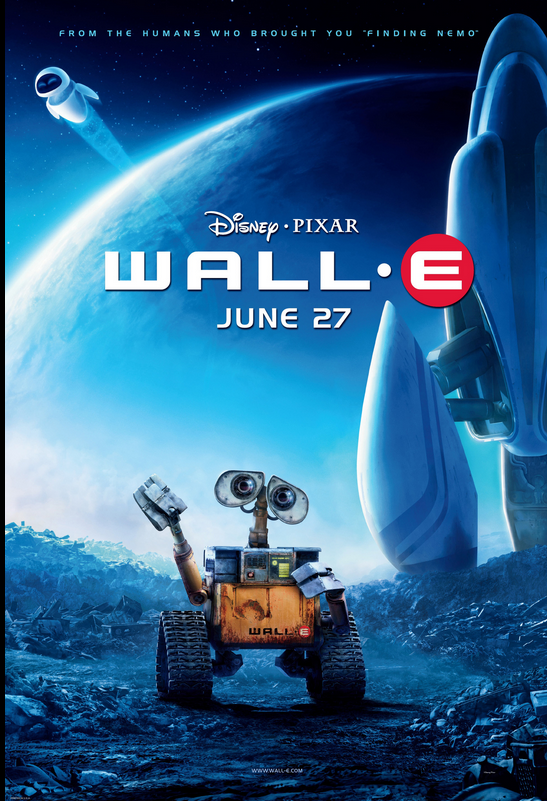
Andrew Stanton: WALL·E (US 2008).

At the Auditorium of the Finnish Film Foundation, a great seminar organized by Mr. Harri Ahokas.

MODERATOR IN THE MORNING: MR. PETRI SIITONEN
The Digital Convergence / Mr. Pekka Korpela, Talvi Digital
Digital Shooting from the Viewpoint of the Cinematographer / Mr. Rauno Ronkainen, FSC
Digital Shooting: The Equipment, the Opticals, the Media / Mr. Artturi Mutanen, Elokuvakonepaja
The Processing of the Image in Post-Production / Mr. Olli Leppänen, Digital Film Finland
Digital Cinema: Colour Definition / Mr. Marko Terävä, Generator Post
RED Workflow / Mr. Petri Siitonen, Talvi Cinema
Sound in the Digital Production Chain / Mr. Pekka Karjalainen, Meguru
Direct Digital Prints / Mr. Nils Jörgen Kittilsen, Nordisk Film Post Production (Oslo)

MODERATOR IN THE AFTERNOON: MR. HARRI AHOKAS
Digital Viewing Copy: Mastering and Manufacture / Mr. Mihkel Mäemets, Digital Cinema
Digital Projection and 3-D Presentations in the Cinema / Mr. Ari Saarinen, Finnkino
The Requirements for a Digital Cinema / Mr. Marko Röhr, Bio Rex Cinemas
The Digital Process of a Finnish Movie from the Viewpoint of the Producer / Mr. Lasse Saarinen, Kinotar
Finnish Digital Copies from the Viewpoint of the Distributor / Mr. Petri Viljanen, Nordisk Film
The Viewpoint of the Cinema Projectionist / Ms. Riitta Haapiainen, SES Auditorium
Digital Cinema from the Viewpoint of the Spectator / AA
Conclusion / Harri Ahokas

Thursday, December 04, 2008

Nära livet / So Close to Life (D-Cinema)


Ingmar Bergman: Nära livet / So Close to Life (SE 1958). Eva Dahlbeck (Stina Andersson), Ingrid Thulin (Cecilia Ellius), Bibi Andersson (Hjördis Pettersson). Photo: Stiftelsen Ingmar Bergman.

Elämän kynnyksellä.
    SE 1958. PC: Nordisk Tonefilm. D: Ingmar Bergman. SC: Ulla Isaksson – based on her short stories. DP: Max Wilén. Starring: Eva Dahlbeck (Stina Andersson), Ingrid Thulin (Cecilia Ellius), Bibi Andersson (Hjördis Pettersson). With: Barbro Hiort af Ornäs (Brita, nurse), Erland Josephson (Anders Ellius, Cecilia's husband), Inga Landgré (Greta Ellius, Anders' sister), Gunnar Sjöberg (Nordlander, chief physician), Max von Sydow (Harry Andersson, Stina's husband), Ann-Marie Gyllenspetz (Gran, curator). 84 min.
    D-Cinema released by Europe's Finest, in Finland with Bio Rex Distribution and Pirkanmaan Elokuvakeskus, with English subtitles.
    Viewed in Bio Rex 3, Sello, Espoo, 3 Dec 2008.

The first D-Cinema release of a classic film in Finland. First screened in Finland on 2 and 3 Dec, 2008. I was the only spectator in the second screening of the film that was screened without advertising.

The D-Cinema presentation was good, very close to a 35 mm screening. There was a real black, the picture was ultra-sharp. Better than 16 mm, better than Blu-Ray. The presentation did justice to the film.

This is a film shot completely in interiors, with few people, with many medium shots and close-ups. Last summer I saw many vintage Bergman prints which looked like they have been struck from the negative. It would be interesting to compare a good 35 mm presentation with D-Cinema of The Seventh Seal.

Wednesday, December 03, 2008

Maciste all'inferno

Maciste helvetissä / Den ondes besegrare. IT 1925. PC: Fert-Pittaluga (Torino). D: Guido Brignone. SF: Segundo de Chomón. Starring Bartolomeo Pagano (Maciste). The restored edition with Desmet colour by The Lumière Project (1993): Cineteca del Comune di Bologna / Det Danske Filmmuseum with materials from Cinemateca Brasileira. 2450 m /20 fps/ 107 min. A DFI print with e-subtitles in Finnish by Lena Talvio viewed at Cinema Orion, Helsinki, 2 Dec 2008. - A great print and a great job of restoration with apparently very challenging materials, but it looks consistent. The Desmet method makes the tinting look too heavy and overbearing to my taste. The speed could at least here and there be even slower than 20 fps, probably sometimes 16 fps. But for the total rhythm and duration 20 fps might be best. - Not one of the best Maciste films, this looks older (even 15 years older) than it is with its exaggerated gestures. - Maciste is a farmer who defends his neighbour, the single mother Graziella, from the attack of the devils. The devils suggest a pact with Maciste. But his curse banishes him to Hell. There the kiss of a woman turns a man into a devil, himself. Maciste becomes a devil in chains, but the Christmas prayer of Graziella's son releases him back to Earth. - Fellini's early favourite enchants with its childish naivety and grandiose visions of spectacle.

Monday, December 01, 2008

Ei kukaan ole saari / No Man Is an Island (dvd)


Sonja Lindén: Ei kukaan ole saari / No Man Is an Island (FI 2006). Krister Lindén.

FI © 2006 Screenday Films. P+D: Sonja Lindén. DP: Peter Flinckenberg – shot on 16 mm – screening materials digital. M: Mahler, jazz. Loc: Saimaa. 40 min. Dvd (available also in English) viewed at home, Helsinki, 1 Dec 2008. – A masterpiece. – Four seasons during the last year of an old man's life. He lives alone with the cat Eino on an island at lake Saimaa, fully equipped, in daily telephone contact with his wife who is at hospital. He prepares to die, leaving humoristic instructions about everything, even preparing his coffin. In the last image he rows away into the lake and vanishes into the mist. – Beautifully shot, with full command of the natural light, fine scenes of nature, interesting close-ups, nothing fancy, just the mastery of simplicity. – Fine views of nature are challenging in this digital transitional age, but here they look good even on dvd and did on Digibeta projection at Orion, where I saw half of this two weeks ago.

Saturday, November 29, 2008

Un conte de Noël

Eräs joulutarina / En julberättelse. FR (c) 2008 Why Not Productions + three other companies. D: Arnaud Desplechin. SC: AD, Emmanuel Bourdieu. DP: Eric Gautier - a 35mm colour film print at 2,35:1 from a digital intermediate. LOC: ?Rouen?. CAST: Catherine Deneuve (Junon), Mathieu Amalric (Henri), Jean-Paul Roussillon (Abel), Anne Consigny (Elizabeth), Emmanuelle Devos (Faunia), Chiara Mastroianni (Sylvia). 155 min. A Cinema Mondo release with Finnish / Swedish subtitles by Outi Kainulainen / Joanna Erkkilä. Viewed at Maxim 2, Helsinki, 28 Nov 2008. - A beautiful transfer with no annoying digital limitations, warm and vibrant colour, a fine softness of texture. - The compilation on the soundtrack a pleasant mix of classical and jazz. - A big, original and tough story of a dysfunctional family which faces issues including cancer and sibling feud of the severest kind. There are the several generations and the many lifestyles that are impossible to reconcile, yet an attempt is made at Christmas time. The prodigal son (Henri) is needed for his bone marrow to save his mother (Junon). - The actors are very good, and the director's grip is assured in this story of love and war within the dysfunctional family. - I admired the warmth of Eric Gautier's cinematography in the big ensemble scenes.

Kolme viisasta miestä / Three Wise Men


Mika Kaurismäki: Kolme viisasta miestä / Three Wise Men (FI 2008) with Kari Heiskanen (Erkki, a photographer with terminal cancer), Timo Torikka (Rauno, an actor working in France) and Pertti Sveholm (Matti, a policeman whose Russian wife gives birth to a baby).

Tre visa män. FI © 2008 Marianna Films. D: Mika Kaurismäki. SC: MK and Petri Karra with dialogue written by the actors, themselves. DP: Rauno Ronkainen – 35 mm print from digital intermediate. The men: Kari Heiskanen (Erkki, a photographer with terminal cancer), Pertti Sveholm (Matti, a policeman whose Russian wife gives birth to a baby), Timo Torikka (Rauno, an actor working in France). With: Elena Spirina (Taina, Matti's wife), Tommi Eronen (Tero, Rauno's son), Irina Björklund (Magdaleena, convalescent of depression), Pirkko Hämäläinen (Tiina, the mother of Erkki's son), Riitta Havukainen (Riitta), Aake Kalliala (the karaoke host), Peter Franzén (Santa Claus), Heikki Orama (opera singer). 105 min. Released by FS Film without subtitles. Viewed at Kinopalatsi 6, Helsinki, 28 Nov 2008. – The film is a homage to John Cassavetes. – A digital video look. – Inspired by Husbands by John Cassavetes, a Christmas story of three men's midlife crisis, which mostly takes place in an empty karaoke bar with karaoke songs by each (fun: "Kuka mitä häh"). They face their emptiness, self-deception and livsløgnen [Henrik Ibsen's term, life lie, the foundation lie]. – Interesting stuff but with a quickie touch.

Låt den rätte komma in

Ystävät hämärän jälkeen / Let the Right One In. SE (c) 2008 EFTI. D: Tomas Alfredson. SC: John Ajvide Lindqvist from his novel (2004). DP: Hoyte Van Hoytema - shot on Super 35 - digital intermediate - processed back to 35 mm print. Kåre Hedebrant (Oskar), Lina Leandersson (Eli). 114 min. A Sandrew Metronome Distribution release with Finnish subtitles by Anitra Paukkunen. Viewed at Tennispalatsi 12, 28 Nov 2008.

A bleak, cold digital intermediate look.

An original vampire film set in everyday Sweden in a suburb of Stockholm ?in ca 1982?. There are two stories. The permanently 12-year-old girl Eli who can only subsist on human blood. She can only live in the dark, she does not feel cold, her bite is contagious if the victim survives, she can climb the wall of a tenement building. The 12-year-old boy Oskar is the victim of school bullying, which he starts to resist violently.

The film is well made, the angle is original, the actors are convincing, the school and the suburb milieux realistically detailed, the visual composition interesting, and I liked to soundtrack selection of pop music (but not the original score).

But there is a grave confusion in the moral foundation of the story. The film seems to defend vampirism and justify revenge instead of real justice. It is a portrait of solitude which seems to embrace the ethos of grade Z action cinema.

Friday, November 28, 2008

Körkarlen

Ajomies / The Phantom Carriage / La Charrette fantôme. SE 1920. PC: Svensk Filmindustri. D: Victor Sjöström. Based on the novel by Selma Lagerlöf (1912). DP: Julius Jaenzon. Revisited in a Cinemateket / Svenska Filminstitutet pre-Desmet print, with beautiful toned effects, with e-subtitles in Finnish by Lena Talvio. 1937 m /16 fps/ 106 min. Cinema Orion, Helsinki, 27 Nov 2008. - I revisited the first 30 min. The pre-Desmet print looks better in Orion. The magic light and the vivid expressions become visible. - The deathbed of the Salvation Army nurse. The utter despair of the drunkard's wife. The desolation of the poor home. The three drunkards in the graveyard. The lit clockface. The pain, the sorrow, the horror. The two vignettes illustrating the driver's work: the nobleman putting the bullet through his brain, the victim of the boatwreck being collected from the bottom of the sea. The restless sea. I often include this film in the best horror films, but sometimes they strike it, as it is not a genre picture. But for me, horror means the encounter with personified death and personified evil, and this film has both. Victor Sjöström bravely and convincingly personifies bottomless evil, him who can even infect his own children with the lethal cough.

Thursday, November 27, 2008

Quo Vadis (1951) (2008 restoration Warner Bros., 2008 double dvd)


Mervyn LeRoy: Quo Vadis (US 1951).

Antti Alanen: Dvd-klassikko, Helsingin Sanomat 26.11.2008
Quo Vadis (1951) 2-dvd

Suurteos ensi kertaa dvd:llä

Quo Vadis. USA 1951. O: Mervyn LeRoy, N: Robert Taylor, Deborah Kerr, Peter Ustinov. 1,33:1, DD 1.0 mono, 167 min Teräväpiirtomasteroitu laitos pitkään työn alla olleesta fotokemiallisesti restauroidusta kuva- ja äänimateriaalista. Historioitsija F. X. Feeneyn kommenttiraita (2008). Liitedokumentti: In the Beginning: Quo Vadis and the Genesis of the Biblical Epic (2008, 44 min, haastateltavina Maria Wyke, David Franzoni, F. X. Feeney, Drew Casper, Patricia King Hanson, Richard Schickel, Richard B. Jewell, Christopher Frayling, Harrison Ellenshaw, Rudy Behlmer, Gary Smith). Restauroitu alku- ja loppumusiikki. Trailereita. Mukana 20-sivuinen jäljennös alkuperäisestä ohjelmalehtisestä, 16 mainoskuvakorttia, 6 julistepienennöstä, 10 valokuvaa kuvauspaikalta. Elokuvan dvd-ensijulkaisu 2008, Japanissa myös blu-ray 2008. Warner Bros. Entertainment Finland, 26.11.2008

"Olen tie, totuus ja elämä". 

Loppulause korostaa kristillistä sanomaa suurteoksessa, joka oli valmistusaikanaan myös allegoria päättyneen maailmansodan vainoista ja hirmuvaltiaista. Se julisti ajankohtaista viestiä: "autuaita ovat rauhantekijät". Quo Vadis, puolalaisen Nobel-kirjailija Henryk Sienkiewiczin romaani (1895), on filmattu monta kertaa, mutta tämä MGM:n oikeilla tapahtumapaikoilla Roomassa tuottama kolmituntinen Technicolor-spektaakkeli (1951) on tulkinnoista pidetyin. Roomalainen sotapäällikkö (Robert Taylor) rakastuu kristittyyn, sotavankina Roomaan tuotuun prinsessaan (Deborah Kerr). Keisari Nero on vallassa, Pietari ja Paavali julistavat uutta uskoa, kristittyjä vainotaan, orgiat kuvataan lapsille sallitulla tavalla, ja Rooma palaa. Peter Ustinov ottaa kaiken irti roolistaan hulluna keisarina, joka polttaa Rooman rakentaakseen tilalle Neropoliksen ja laulaa kornia tuholaulua itseään harpulla säestäen katsellessaan kaupunkinsa katastrofia. Katakombeissa lymyilleet kristityt valitaan syntipukkeina marttyyreiksi ja heitetään sirkushuvina areenalla nälkäisille leijonille Neron ja Poppean nauttiessa viinirypäleitä katsomossa. Neron paras ystävä Gaius Petronius, Satyriconin kirjoittaja, tekee itsemurhan säästyäkseen keisarin huonolta musiikilta. Fotokemiallisesti restauroitu ja teräväpiirtomasteroitu elokuva hivelee silmää. Kuvallinen loisto tekee oikeutta mahtitulkinnalle, jossa esiintyy 30.000 statistia ja jota varten valmistettiin vastaava määrä pukuja. Näin elokuvan ensi kertaa, ja se on sisällöltäänkin mielenkiintoista katsottavaa, vaikkakaan ei samaa luokkaa kuin Kymmenen käskyä, Ben-Hur ja Spartacus. Liitedokumentti on runsassisältöinen, mutta näytteet muista filmatisoinneista (Enrico Guazzoni, 1912, Gabriellino d'Annunzio & Georg Jacoby, 1925) ovat huonoa vhs-tasoa. Ilmi käy MGM-hankkeen pitkä valmistelu 1930-luvulta alkaen. Hauska rinnastus on löydetty ohjaaja Mervyn LeRoyn kahdesta kuolinkohtauksesta elokuvissa Pikku Caesar ja Quo Vadis ("iso Caesar")!  Amerikkalaisella elokuvalla oli tärkeä rooli roomalaisen Cinecittàn studion uudelleenrakentamisessa. Areenakohtauksessa käytettiin myös maalattuja mattetehosteita. Cecil B. DeMillen Simson ja Delila oli aloittanut raamattueeposten uuden suosion, ja Quo Vadis lisäsi nostetta mahtavalla tuotannollaan ja suosiollaan.


Tuesday, November 25, 2008

CHARLES BAUDELAIRE: L'INVITATION AU VOYAGE (POEME)


Germaine Dulac: L'Invitation au voyage (FR 1927).

Mon enfant, ma soeur, Songe à la douceur
D'aller là-bas vivre ensemble!
Aimer à loisir,
Aimer et mourir
Au pays qui te resemble!
Les soleils mouillés
De ces ciels brouillés
Pour mon esprit ont les charmes
Si mystérieux
De tes traîtres yeux,
Brillant à travers leurs larmes.

Là, tout n'est qu'ordre et beauté,
Luxe, calme et volupté.

Des meubles luisants,
Polis par les ans,
Décoreraient notre chambre;
Les plus rares fleurs
Mêlant leurs odeurs
Aux vagues senteurs de l'ambre,
Les riches plafonds,
Les miroirs profonds,
La splendeur orientale,
Tout y parlerait
A l'âme en secret
Sa douce langue natale.

Là, tout n'est qu'order et beauté,
Luxe, calme et volupté.

Vois sur ces canaux
Dormir ces vaisseaux
Dont l'humeur est vagabonde;
C'est pour assouvir
Ton moindre désir
Qu'ils viennent du bout du monde.
- Les soleils couchants
Revêtent les champs,
Les canaux, la ville entière,
D'hyacinthe et d'or;
Le monde s'endort
Dans une chaude lumière.

Là, tout n'est qu'ordre et beauté,
Luxe, calme et volupté.

(Les Fleurs du mal, LIII, 1861)

FILMS BY GERMAINE DULAC

NFM (Amsterdam) prints with e-subtitles in Finnish by Lena Talvio, at Cinema Orion, Helsinki, 25 Nov 2008.
La souriante Madame Beudet / Hymyilevä rouva Beudet. FR 1923. D: Germaine Dulac. SC: André Obey based on his play. Cast: Germaine Dermoz (Madame Beudet), Arquillière (Monsieur Beudet). A print originating from La Cinémathèque Suisse, the Swiss edition with French / German intertitles. 773 m /18 fps/ 38 min
L'Invitation au voyage / Matkaankutsu. FR 1927. P+D+SC: Germaine Dulac - inspired by the poem by Baudelaire (1861). With: Emma Gynt (Woman), Raymond Dubreuil (Naval Officer). 797 m /18 fps/ 39 min
La Coquille et le clergyman / Pappi ja näkinkenkä. FR 1928. P+D: Germaine Dulac. SC: Antoine Artaud. With: Alexander Allin (the clergyman), Genica Athanasiou (the girl), Lucien Bataille (officer). The 2004 restoration. 816 m /18 fps/ 40 min
Seminal experimental films revisited. The best existing prints, L'Invitation au voyage especially fine with colour, and La Coquille et le clergyman the definitive restoration. - See my Dulac comments in my Bologna notes, Il Cinema Ritrovato 2006, 1 July 2006.

Saturday, November 22, 2008

FILM-MAKING AS A SMALL ENTERPRISE (SEMINAR)

Elokuvan pienyrittäjyys -seminaari. Organized by the cultural cooperative Kronoptikon / Martti-Tapio Kuuskoski. At Cinema Orion, Helsinki, 22 Nov 2008.
Mr. Martti-Tapio Kuuskoski, moderator
Mr. Anssi Mänttäri, film director and producer
Mr. Rostislav Aalto, film director and producer
Ms. Sonja Lindén, film director and producer
Mr. Aku Alanen, economist, researcher
An interesting three and a half hours on film-making as a small enterprise. 95% of the Finnish film companies are small enterprises. Mr. Aalto commented that until the 1990s Finnish documentaries were internationally highly regarded, but now since the financers no longer support 35mm, the visual quality is down, except Pirjo Honkasalo. Excerpts included:
Mongolialainen iltapäivä [A Mongolian Afternoon]. FI 2008. D: Rostislav Aalto. The sequence of the slaughter of a lamb.
Ei kukaan ole saari [No Man Is an Island]. FI 2006. D: Sonja Lindén. Shot on S-16mm, projected on Digibeta. The last 20 min of the 40 min film. My first encounter with the work of Sonja Lindén, I was impressed by the feeling for nature (Saimaa?) and the theme of the old man (her father) facing imminent death.

Friday, November 21, 2008

Cleaning Up! (2001) (in person: Rostislav Aalto)


Rostislav Aalto: Cleaning Up! (FI 2001).

Cleaning Up! / Cleaning Up! FI 2001. PC: Cube Oy, Zen Media. P: Heikki Niinimäki. D+SC+DP: Rostislav Aalto – shot on DV-CAM – distributed on 35 mm film prints. ASS-D: Mikko Keinonen. M: Cleaning Women. S-ED on tour: Jari Laakkonen, Teemu Kotila, Svetlana Terentjev. ED: Kimmo Kohtamäki. S: Rostislav Aalto. S-DES: Timo Kinnunen (also S-postprod). Photographs: Inka Kovanen. FEAT: Cleaning Women: Risto Puurunen, Timo Kinnunen, Tero Vänttinen = CW 01, CW02, CW03. Manager: Mikko Keinonen. 79 min. A SES print with English subtitles (print number one) at Cinema Orion, Helsinki, 21 Nov 2008. Introduced by Rostislav Aalto, presented by Martti-Tapio Kuuskoski. - The print looks good, considering that it was shot on DV-CAM. – A tour documentary of the Finnish band Cleaning Women, who play with special instruments built from cleaning equipment, the guys dressed as ladies. – The music is good, and the film sounds good. – The strange encounters of the band touring in Petersburg, Moscow, Tartu, the Baltic countries, and Poland. – I saw the first 45 min, having to move to the Filmihullu magazine 40th / Risto Jarva society 30th annivarsary party at Dubrovnik.

Toto

Toto / Toto. FI 1982. PC: Filmiauer Oy / Anssi Mänttäri. Ohjaus: Suvi-Marja Korvenheimo (= Anssi Mänttäri). SC: Suvi-Marja Korvenheimo, Tuovi Mäkipää-Hakola. DP: Heikki Katajisto - filmed on 16mm - prints blown up to 35mm. S-ED: Tuomo Kattilakoski. M: Asko Mänttäri. Lyrics to the theme song: Jukka Virtanen. ED: Marjatta Niiranen. S: Jouko Lumme, Paul Jyrälä. CAST: Juha Hyppönen (Eki), Paavo Piskonen (Pena), Mikko Hänninen (Reiska), Eeva Eloranta (Hanna, Eki's wife), Helena Haavisto (Pena's mother-in-law), Veronika Mattson (Krisse, Pena's wife), Virve Kauste (Mirkku), Sanna Fransman (Päivi), Liisa Halonen (Marja, Reiska's ex-wife), Pentti Auer (Kurt), Tuija Ahvonen (saleswoman), Pauli Virtanen (Lievonen), Paavo Liski, Kai Honkanen, Olli Tuominen (policemen), Susanna Haavisto (waitress), Tadaaki Kawata (Mr. Tokoshi), Masaaki Hashimoto (Mr. Iwasaki), Ilkka Kylävaara (writer), Reima Kekäläinen (artist), Henri Kapulainen (2. writer), Katriina Rinne, Kaisa Karikoski (women in the pub), Kai Salminen (director Vornanen), Heidi Kari (secretary), Annette Arlander, Ulla-Maija Tamminen (girls in the pub), Ilkka Vanne (foreign businessman), Hannele Laaksonen (callgirl), Kalevi Immonen (violinist), Heidi Blom (Pena's daughter), Taina Saikkonen (Taina), Tiina Bergström (Tiina). 82 min. A vintage print with Swedish subtitles screened at Cinema Orion, Helsinki, 21 Nov 2008. Introduced by Anssi Mänttäri hosted by Martti-Tapio Kuuskoski. Also Paavo Piskonen was present in the screening. - Good print with a pleasant, successful 16mm blowup look. - The trio of grown-up men on the loose has been compared with Cassavetes' Husbands. Pena has become a father (again), he hangs out with his car salesman colleague Eki, and they join with their drifter friend Reiska. Reiska wins big time in the horse races, and they go on a binge, planning a trip. They try to pick up women, but only Eki has any success. - The images of the race track in the beginning and in the end bring the story into ironic relief. - The theme song of Asko Mänttäri and Jukka Virtanen would deserve publication in its own right. - It's a film about alcohol and alcoholism. - There is a good solid drive in this tale of the absurd alcoholic binge.

Bo Procopé

FI (c) 1982 Taideteollinen Korkeakoulu / Elokuva- ja TV-linja ETV. D: Alvaro Pardo & Ville Mäkelä. With Alvaro Pardo, Tapio Tapiovaara. 16mm, colour, 15 min. Viewed at Cinema Orion, Helsinki, 21 Nov 2008. - Print has beautiful colour. - A funny pseudo-documentary.

Thursday, November 20, 2008

Die Büchse der Pandora

Pandoran lipas / Pandoras box / Pandora's Box. DE 1928. D: G.W. Pabst based on the plays by Wedekind, dp: Günther Krampf, starring Louise Brooks, Fritz Kortner. Print: Münchner Filmmuseum 3018 m /20 fps/ 132 min screened with electronic subtitles by AA/Anja Lempinen at Cinema Orion, Helsinki, 20 Nov 2008. - This best existing print can still be admired also because of its visual quality, unlike (almost) all the other prints, which have been duped one or more generations too often. I revisited the first half an hour, the magic of Louise Brooks, the radiation, the hidden tragedy deep beneath.

The Adventures of Woody Woodpecker 3


Woody Woodpecker : Kiddie League (US 1959), P: Walter Lantz, D: Paul J. Smith.

Nakke Nakuttajan seikkailuja 3 / Hacke Hackspätt på äventyr 3
    Original copyright: Universal. PC: Walter Lantz Productions. P: Walter Lantz. Technicolor. Special aspect ratio 1:1,2.
    Voice Talent: Grace Stafford (Woody), Mel Blanc (Woody's ha-ha-ha-HAA-ha laughter).
    Duration à ca 6 min
    Total duration 59 min.
    Curated by Matti Ahava.
    Vintage prints viewed at Cinema Orion, Helsinki, 20 Nov 2008.

Half Empty Saddles. US 1958. D: Paul J. Smith. Absurd Western parody.
Watch the Birdie. USA 1958. D: Alex Lowy. Woody drives a bird-watcher crazy.
Billion-Dollar Boner. US 1959. D: Alex Lowy. Woody harasses a pompous guy who believes himself a billionaire having received a big rubber check.
Heap Big Hepcat. US 1960. D: Paul J. Smith. A softie Hollywood Indian has to prove himself a true brave, but meets Woody.
Kiddie League. US 1959. D: Paul J. Smith. Baseball parody.
Romp in a Swamp. US 1959. D: Paul J. Smith. Freerider Woody flies with the geese, gets into fight with a hunter-alligator.
Woodpecker in the Moon. US 1959. D: Alex Lowy.
Fowled up Falcon. US 1960. D: Paul J. Smith.
How to Stuff a Woodpecker. US 1960. D: Paul J. Smith.
Ozark Lark. US 1960. D: Paul J. Smith. A violent Kentucky feud (McCoys vs. Martins) parody.

The colour is brilliant and intact.
I'm puzzled by the obsession with violence, being more a Disney / Miler guy.